

Introduction
A flattering short haircut isn’t about size—it’s about balance, shape, and proportion. The right cut adds height, frames the face, and avoids extra width where you don’t want it.
What works best: volume at the crown, soft layers, and face-framing angles. What to avoid: flat tops and bulky sides.
These styles are simple, modern, and designed to work across different face shapes.
1. Long Pixie with Lift at the Crown
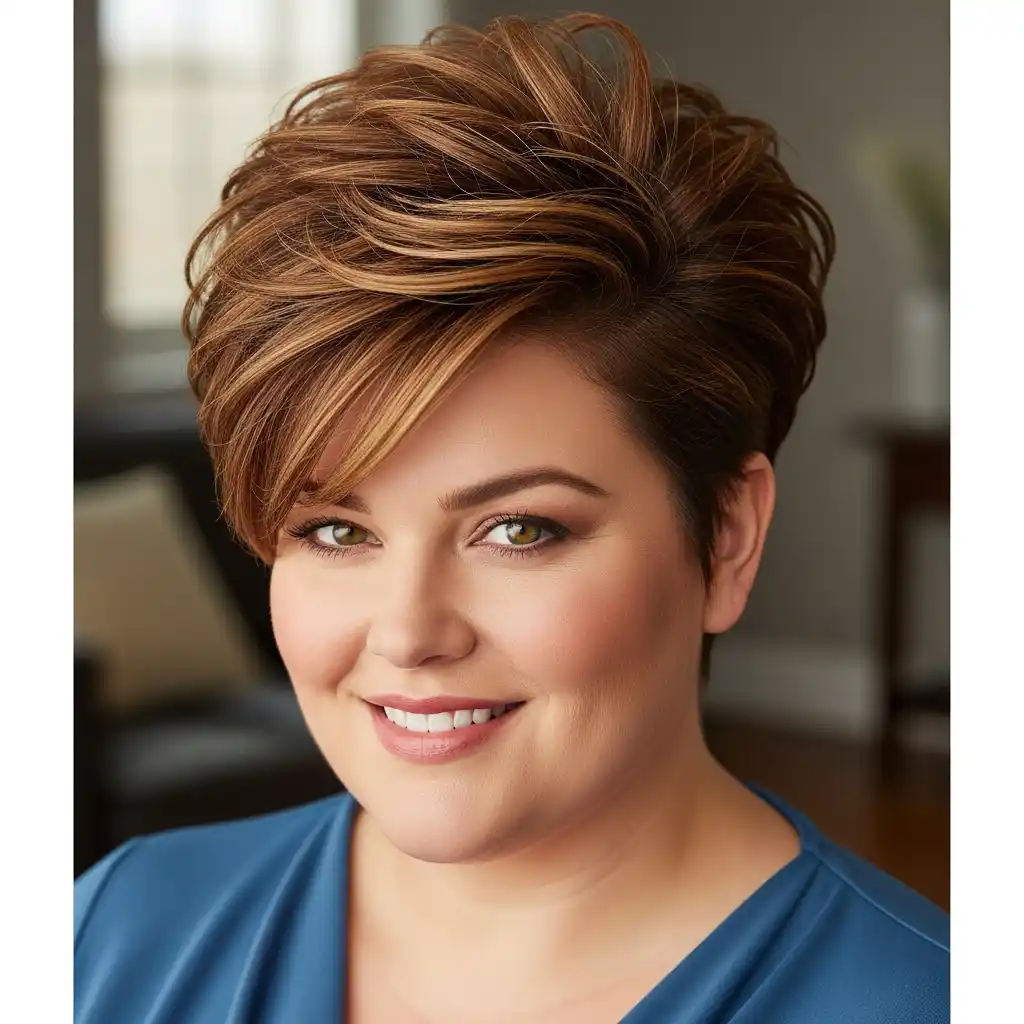
Keeping the top slightly longer with volume adds height, which balances the face.
Soft sides prevent the cut from looking too wide.
2. Layered Short Bob for Soft Shape
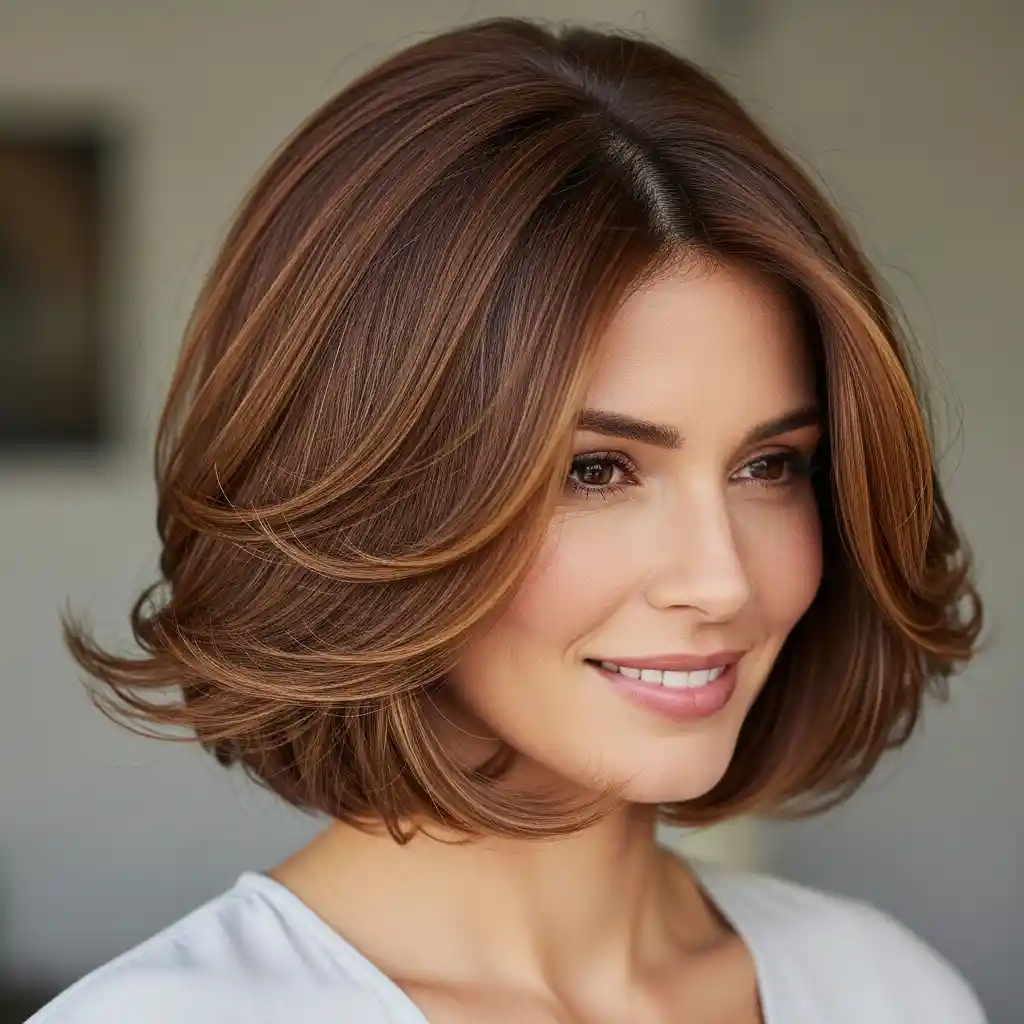
Light layers create movement and stop the hair from sitting heavy around the face.
This keeps the look soft and flattering.
3. Side-Parted Bob for Instant Definition
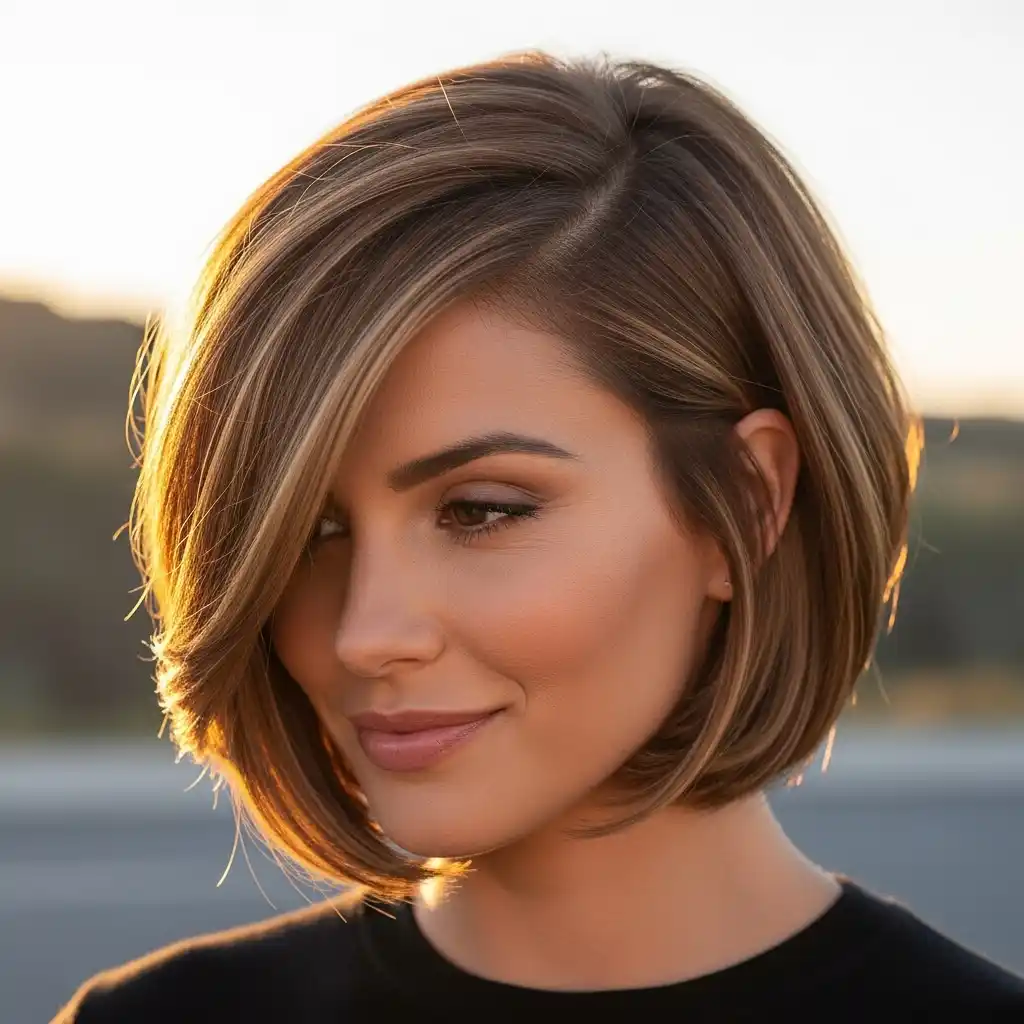
A side part breaks symmetry and adds structure.
It’s one of the easiest ways to create a slimming effect.
4. Asymmetrical Short Cut for Angles
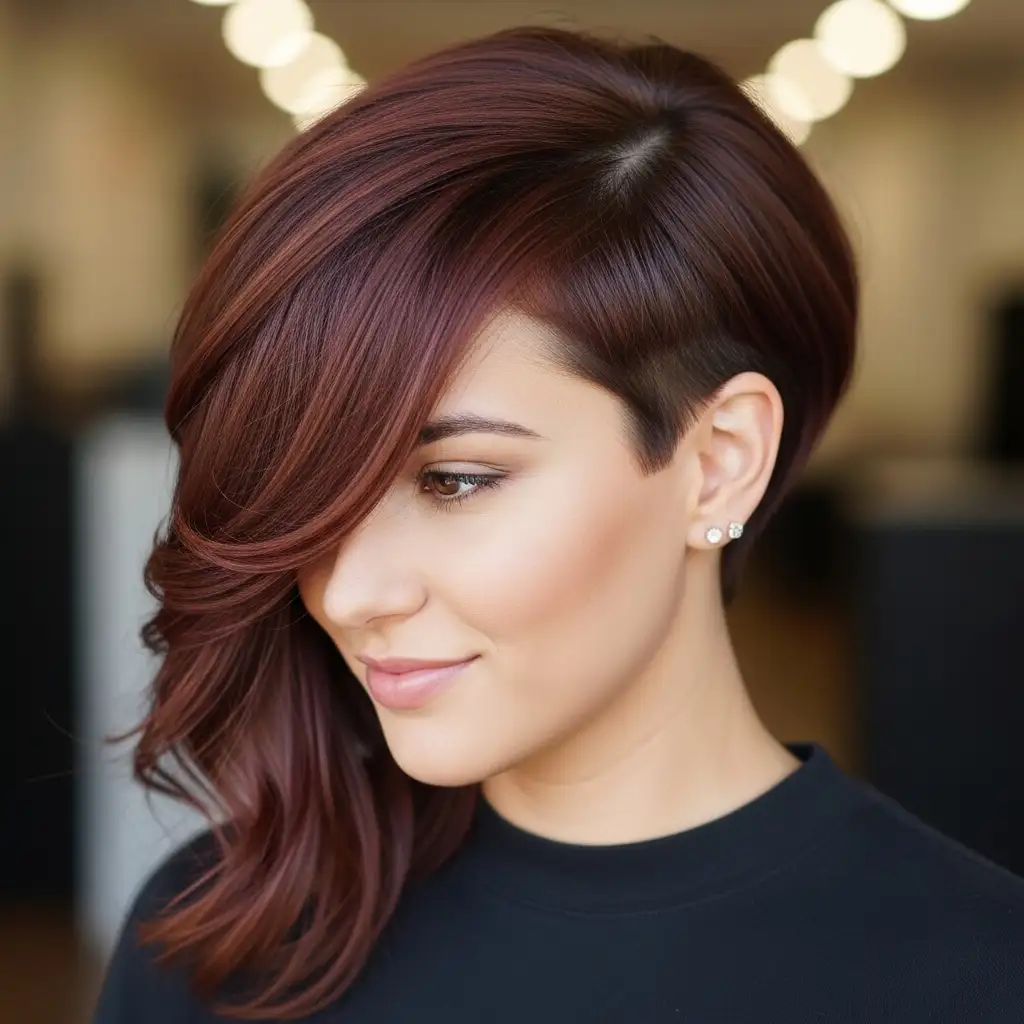
One side longer than the other adds sharpness and direction.
This helps define facial features without being too bold.
5. Textured Crop for Volume and Movement
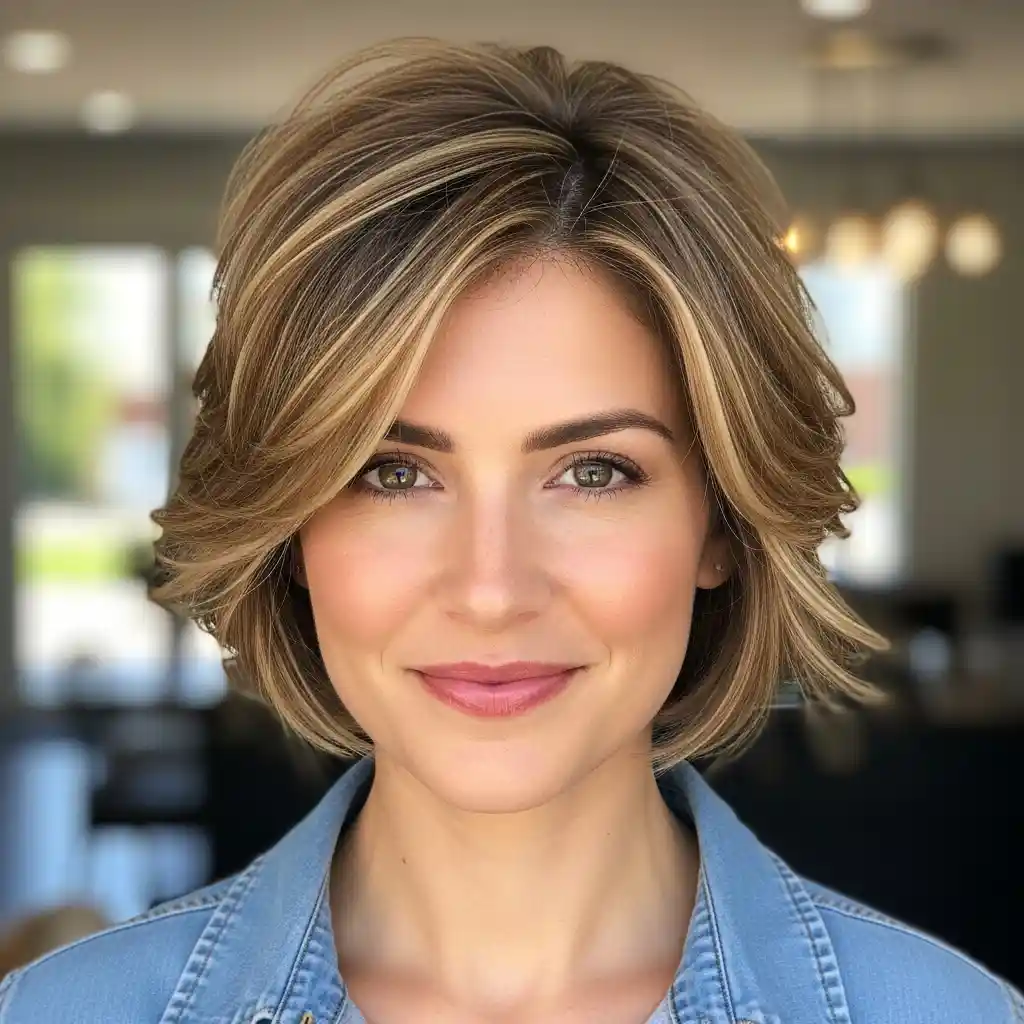
Texture adds lift and prevents the hair from looking flat.
This style feels modern and easy to maintain.
6. Angled Bob with Longer Front Pieces
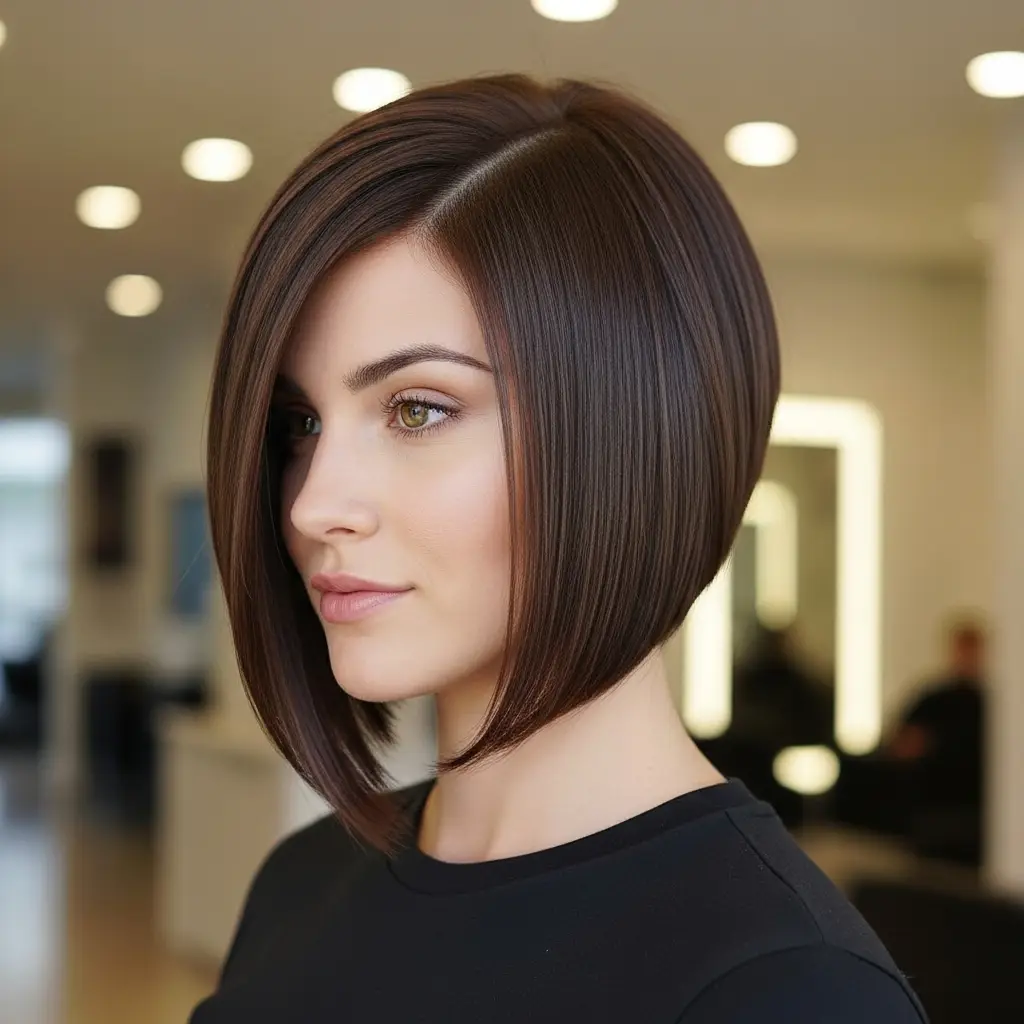
Longer front sections elongate the face and create a balanced shape.
The back stays shorter for structure.
7. Soft Shag Cut for Lightness
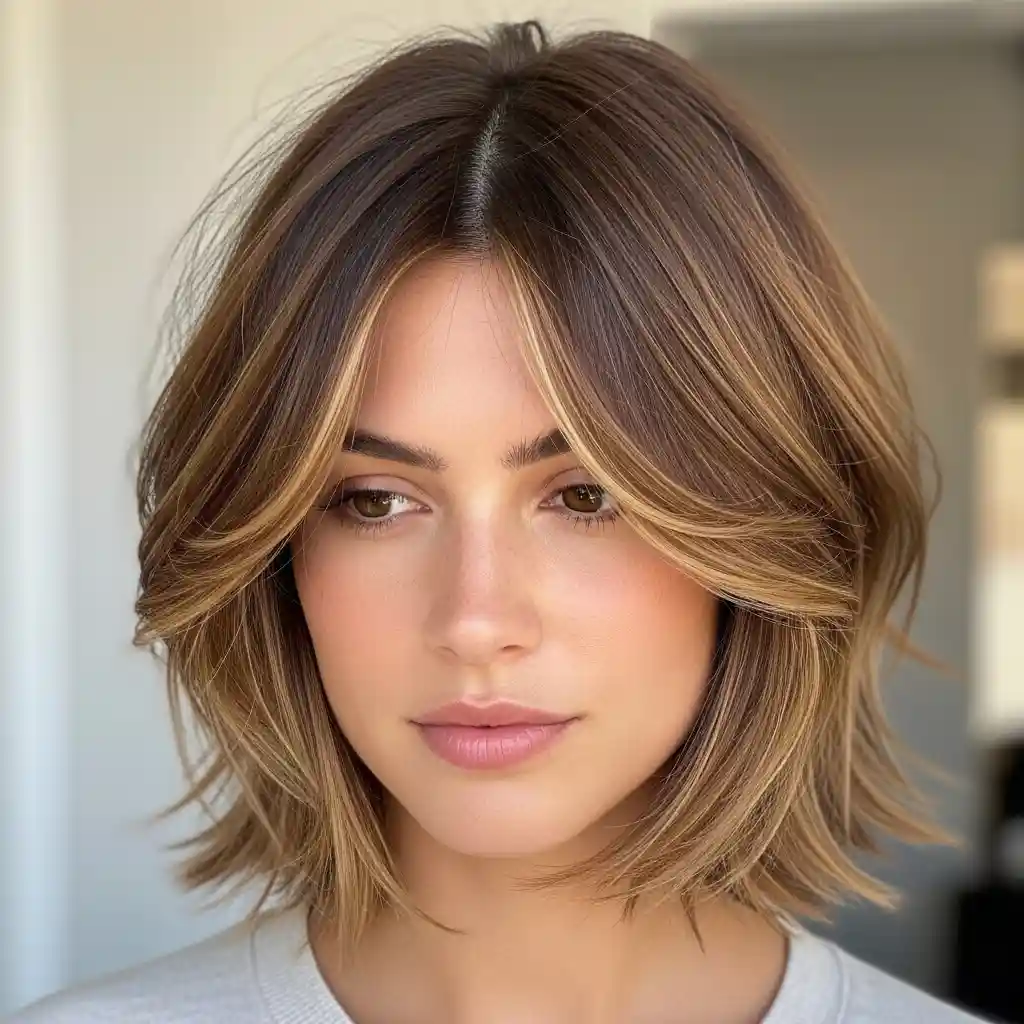
A shag cut with soft layers removes heaviness and adds natural flow.
It keeps the look relaxed and stylish.
Styling Tips
Add volume at the crown, not the sides
Use a side part for better balance
Keep layers soft and not bulky
Avoid flat, heavy styles
Final Thoughts
The best haircut works with your features—not against them. When your hair has height, shape, and movement, it naturally looks more balanced and flattering.
Focus on structure and softness, and the style will do the work for you.
